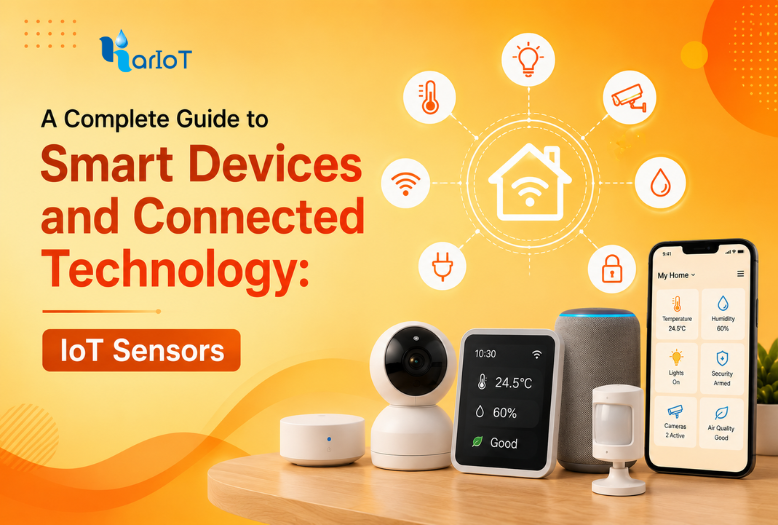
The Internet of Things (IoT) is transforming the way people live and businesses operate by connecting devices through the internet. At the heart of this technological revolution are IoT Sensors, which collect real-time data from the surrounding environment and help devices communicate intelligently. Whether it is a smart home, healthcare system, manufacturing plant, or agriculture field, IoT sensors play a vital role in improving efficiency, automation, and decision-making. As industries continue to adopt connected technologies, understanding IoT sensors has become essential for students, professionals, and businesses looking to stay ahead in the digital world.
Moreover, IoT sensors have become the foundation of modern smart systems by enabling devices to monitor environmental conditions, transmit accurate data, and perform automated actions without constant human intervention. In this blog, you will explore what IoT sensors are, how they work, their different types, major applications, key benefits, challenges, and future trends. Additionally, you will learn how industries use IoT technology to improve productivity, reduce operational costs, and create smarter solutions for everyday challenges.
Understanding IoT Sensors
An IoT sensor is a device that detects physical or environmental changes such as temperature, humidity, pressure, motion, light, gas, vibration, or sensor water levels. These sensors collect information from the environment and send it to connected systems for analysis and decision-making.
Unlike traditional sensors, IoT-enabled sensors are connected through communication networks, allowing them to share information instantly with cloud platforms, applications, or other connected devices. As a result, organizations can monitor operations remotely and respond quickly to changing conditions.
For example, a temperature sensor installed in a cold storage facility continuously measures temperature levels. If the temperature exceeds the allowed limit, the system automatically sends an alert to the maintenance team, preventing product damage.
How IoT Sensors Work
Although IoT technology appears complex, its working process is straightforward. Every IoT system follows a sequence of steps to collect, process, and use information effectively.
The process includes:
- Sensors collect environmental data.
- The collected information is converted into digital signals.
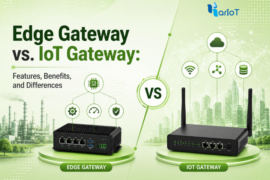
- The data is transmitted through an iot gateway.
- Information reaches cloud platforms for processing.
- Software analyzes the data.
- Users receive reports, notifications, or automated actions.
Consequently, businesses gain valuable insights that help improve efficiency, reduce downtime, and optimize performance.
Major Types of IoT Sensors
Different industries require different types of sensors depending on their applications. Therefore, each sensor performs a specific function that contributes to an intelligent IoT ecosystem. As a result, organizations can collect accurate data, automate processes, and make informed decisions more efficiently.
Temperature Sensors
Temperature sensors monitor heat variations in machines, buildings, warehouses, hospitals, and manufacturing plants. They are widely used in healthcare, food storage, and industrial automation.
Humidity Sensors
Humidity sensors measure moisture levels in the atmosphere. As a result, they help maintain ideal environmental conditions in agriculture, pharmaceutical industries, and smart buildings. Furthermore, accurate humidity monitoring improves product quality, enhances operational efficiency, and supports better environmental control.
Pressure Sensors
Pressure sensors detect changes in gas or liquid pressure. As a result, they play a crucial role in monitoring and controlling industrial processes. Consequently, they are widely used in the oil and gas industry, manufacturing plants, and water distribution systems to improve safety, efficiency, and operational reliability.
Motion Sensors
Motion sensors identify movement within a specific area. As a result, they play a vital role in enhancing security and automation. For example, smart security systems, automatic doors, and lighting systems rely heavily on motion detection technology to improve safety, convenience, and energy efficiency.
Proximity Sensors
These sensors detect nearby objects without physical contact. They are frequently used in industrial robotics and automated manufacturing equipment.
Gas Sensors
Gas sensors monitor harmful gases such as carbon monoxide, methane, and smoke. They improve workplace safety by providing early warnings.
Light Sensors
Light sensors measure the intensity of light and automatically adjust lighting conditions. Smart streetlights and energy-efficient buildings use these sensors extensively.
Water Quality Sensors
Water quality sensors monitor parameters such as pH levels, dissolved oxygen, and water purity. They are essential for environmental monitoring and municipal water systems.
Key Components of an IoT System
IoT solutions consist of several interconnected components that work together to deliver accurate and reliable information. As a result, they ensure seamless communication and efficient data exchange.
Sensors
First, sensors collect real-time information from the surrounding environment.
Connectivity
Communication technologies such as Wi-Fi, Bluetooth, Zigbee, LoRaWAN, and cellular networks transfer sensor data securely.
Cloud Platform
Many organizations rely on IoT cloud computing to store, process, and analyze massive volumes of sensor data. Cloud platforms provide scalability, remote accessibility, and powerful analytics capabilities.
Applications
User-friendly dashboards and mobile applications display sensor information in a meaningful format for monitoring and decision-making. As a result, users can quickly interpret data, identify trends, and respond to critical events. Furthermore, these intuitive interfaces improve operational efficiency and support faster, more informed decision-making.
Applications of IoT Sensors
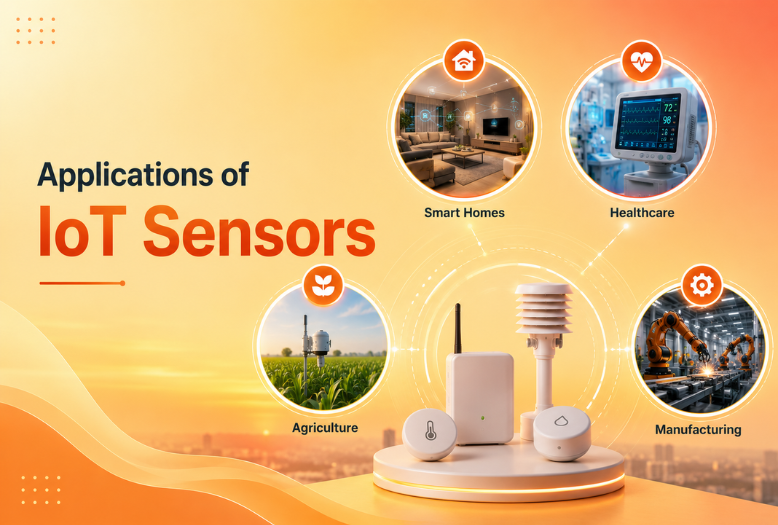
The demand for IoT Sensors continues to grow because they are used across almost every industry. Their ability to provide real-time monitoring and automation makes them indispensable.
Smart Homes
Smart homes use IoT sensors to automate lighting, security systems, air conditioning, smoke detection, and energy management.For example, motion sensors can automatically turn lights on when someone enters a room and switch them off when the room becomes vacant.
Healthcare
Hospitals use IoT sensors to monitor patients’ heart rate, blood pressure, oxygen levels, and body temperature in real time. As a result, healthcare professionals can detect potential health issues early and provide timely treatment. Additionally, doctors can access patient information remotely, improving healthcare delivery, enhancing patient care, and reducing the need for frequent hospital visits.
Agriculture
Modern farming relies heavily on smart water management using iot to optimize irrigation and conserve water resources. Soil moisture sensors help farmers determine the right amount of water required by crops, increasing productivity while reducing waste.
Manufacturing
Manufacturing companies implement industrial iot solutions to improve production efficiency and reduce equipment failures. Sensors continuously monitor machine performance and alert maintenance teams before breakdowns occur.
This predictive maintenance approach reduces downtime and increases operational productivity.
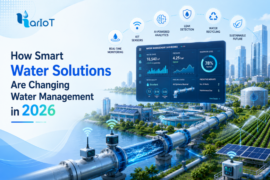
Smart Water Management
Water conservation has become a global priority. Consequently, organizations are investing in smart water management solutions to monitor water usage and reduce wastage.
IoT sensors collect information about water pressure, flow rate, and leakage. These systems enable municipalities and industries to detect pipeline issues before they become major problems.
Furthermore, smart water meters provide accurate consumption data, helping both consumers and utility providers optimize water usage.
In addition, many industries install a digital flow meter to measure the precise flow of liquids through pipelines. This improves operational efficiency while minimizing resource wastage.
Industrial Automation with IoT
Industries are increasingly adopting iot industrial automation to improve productivity and reduce manual intervention.
Sensors monitor machine vibration, pressure, temperature, energy consumption, and operational efficiency in real time.
As a result, organizations experience:
- Improved productivity
- Reduced maintenance costs
- Better equipment utilization
- Higher workplace safety
- Increased operational efficiency
Similarly, industrial automation in iot enables factories to automate repetitive tasks while improving product quality and reducing human errors.
These intelligent systems help organizations remain competitive in today’s rapidly evolving industrial landscape.
Benefits of IoT Sensors
The adoption of IoT Sensors has increased significantly because they provide accurate, real-time information that helps businesses and individuals make smarter decisions. Whether used in homes, industries, agriculture, healthcare, or transportation, IoT sensors improve efficiency while reducing manual effort. Moreover, they enable organizations to monitor operations continuously, helping them respond quickly to unexpected situations.
Some of the key benefits include:
- Real-time data collection and monitoring
- Improved operational efficiency
- Reduced maintenance costs
- Better resource utilization
- Increased workplace safety
- Faster decision-making
- Enhanced automation
- Higher productivity
- Energy savings
- Improved customer experience
As technology continues to evolve, these benefits make IoT sensors an essential part of modern digital transformation.
IoT Device Management
Managing hundreds or even thousands of connected devices can become challenging without a proper system. Therefore, organizations rely on iot device management to monitor, configure, update, and secure connected devices throughout their lifecycle.
An effective device management platform helps businesses:
- Register new IoT devices
- Monitor device health
- Perform remote software updates
- Configure device settings
- Detect failures quickly
- Maintain security compliance
Consequently, businesses can reduce downtime while ensuring every connected device performs efficiently.
Remote Monitoring with IoT
One of the biggest advantages of IoT technology is the ability to monitor equipment remotely. An iot remote monitoring solution enables organizations to collect information from devices located anywhere in the world without requiring on-site inspections.
For example, manufacturing companies can monitor machine health across multiple factories from a centralized dashboard. Similarly, hospitals can track medical equipment, while logistics companies can monitor vehicle performance during transportation.
Because of remote monitoring, organizations benefit from:
- Faster issue detection
- Reduced operational costs
- Improved maintenance planning
- Better productivity
- Increased equipment lifespan
Furthermore, remote monitoring minimizes unnecessary travel and allows technicians to resolve many issues before they become critical.
Importance of IoT Device Monitoring
Continuous iot device monitoring ensures that connected devices remain operational and perform efficiently. Businesses receive instant alerts whenever abnormal conditions occur, allowing immediate corrective action.
Device monitoring helps organizations:
- Track equipment performance
- Detect hardware failures
- Monitor battery status
- Analyze network connectivity
- Improve overall system reliability
As a result, businesses experience fewer interruptions and higher operational efficiency.
Popular IoT Applications Across Industries
The growing adoption of IoT technology has created countless opportunities across different sectors. Today, IoT Applications are helping organizations automate processes, improve customer experiences, and optimize resource utilization.
Some of the most common applications include:
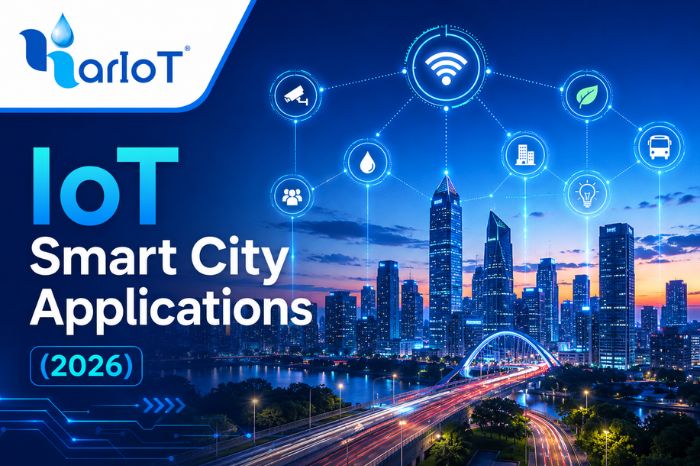
Smart Cities
Cities use IoT sensors to monitor traffic flow, street lighting, waste management, air quality, and public transportation systems. These smart solutions improve urban living while reducing operational costs.
Healthcare
Wearable medical devices continuously monitor patients’ vital signs and send alerts whenever abnormalities are detected. This enables doctors to provide timely treatment and improve patient care.
Agriculture
Farmers use connected sensors to monitor soil moisture, weather conditions, crop health, and irrigation systems. Consequently, they increase crop yield while conserving water resources.
Logistics and Transportation
Fleet operators can monitor vehicle location, fuel consumption, engine performance, and delivery status in real time. As a result, they can optimize route planning, reduce operational costs, and improve delivery efficiency.
Retail
Retail businesses use IoT technology for inventory management, customer behavior analysis, and smart payment systems.
Security Challenges in IoT Systems
Although IoT technology offers numerous benefits, security remains one of the biggest concerns. Since connected devices continuously exchange information, protecting sensitive data is essential.
Some common security challenges include:
| Security Challenge | Impact |
| Weak passwords | Unauthorized device access |
| Unsecured networks | Data interception |
| Outdated firmware | Increased cyberattack risks |
| Poor encryption | Data theft |
| Device vulnerabilities | System failures |
| Malware attacks | Service disruption |
| Lack of software updates | Security loopholes |
Therefore, organizations should regularly update device firmware, implement strong authentication methods, encrypt sensitive information, and continuously monitor network activity.
Future Trends in IoT Technology
The future of IoT looks extremely promising as new technologies continue to enhance connected systems. In particular, Artificial Intelligence (AI), Machine Learning (ML), 5G networks, edge computing, and cloud platforms are making IoT solutions smarter and more efficient. As a result, businesses and consumers can benefit from faster data processing, improved automation, and better decision-making. Furthermore, these advancements are driving innovation across industries, enabling more reliable, secure, and scalable connected ecosystems. Ultimately, the continued evolution of these technologies will shape the next generation of intelligent IoT applications.
Some emerging trends include:
- AI-powered predictive maintenance
- Smart healthcare systems
- Autonomous vehicles
- Edge computing
- Digital twins
- Green IoT technologies
- Smart factories
- Intelligent transportation systems
- Smart energy management
Moreover, businesses are increasingly investing in connected technologies to improve productivity and remain competitive in the digital economy.
As organizations continue their digital transformation journey, IoT Sensors will remain one of the most important technologies driving automation, innovation, and intelligent decision-making across industries.
Business Advantages of Using IoT Sensors
Businesses across various industries are investing in connected technologies to improve operational efficiency and deliver better customer experiences. IoT Sensors provide organizations with valuable real-time insights that support informed decision-making and long-term business growth. By collecting accurate data from connected devices, businesses can optimize daily operations, reduce unnecessary costs, and improve overall productivity.
Some of the major business advantages include:
- Improved operational efficiency
- Faster decision-making through real-time data
- Reduced equipment downtime
- Lower maintenance costs
- Better resource utilization
- Increased employee safety
- Enhanced customer satisfaction
- Improved energy management
- Higher business productivity
- Better compliance with industry standards
Furthermore, businesses can analyze historical data to identify patterns, predict equipment failures, and develop more effective operational strategies.
Best Practices for Implementing IoT Solutions
Implementing an IoT solution requires proper planning and continuous monitoring. Organizations should follow industry best practices to maximize performance while maintaining security and scalability.
Some recommended practices include:
- Define clear business objectives before implementation.
- Select high-quality sensors suitable for the application.
- Ensure secure network connectivity.
- Regularly update device firmware.
- Monitor connected devices continuously.
- Encrypt sensitive data during transmission.
- Perform regular security audits.
- Train employees on IoT security and maintenance.
- Use scalable cloud infrastructure.
- Evaluate system performance periodically.
Following these practices helps organizations achieve better results while minimizing operational risks.
Challenges in IoT Implementation
Although IoT offers significant advantages, organizations may encounter several challenges during implementation. Identifying these challenges early allows businesses to develop effective solutions.
Some common challenges include:
| Challenge | Solution |
| Data Security Risks | Implement encryption and multi-factor authentication. |
| Device Compatibility | Choose standardized communication protocols. |
| High Initial Investment | Adopt scalable deployment strategies. |
| Network Connectivity Issues | Use reliable communication networks. |
| Data Management | Implement advanced analytics platforms. |
| Device Maintenance | Schedule regular monitoring and updates. |
| Scalability | Design flexible IoT architecture for future growth. |
By addressing these challenges proactively, organizations can ensure the long-term success of their IoT initiatives.
Future Career Opportunities in IoT
As IoT adoption continues to grow, the demand for skilled professionals is increasing across multiple industries. Organizations are seeking experts who can design, develop, manage, and secure IoT ecosystems.
Some popular career roles include:
- IoT Developer
- IoT Solution Architect
- Embedded Systems Engineer
- IoT Security Specialist
- Cloud Engineer
- Network Engineer
- Data Analyst
- Automation Engineer
- IoT Project Manager
- AI and IoT Integration Specialist
Professionals with expertise in IoT technologies, cloud platforms, embedded programming, and data analytics are expected to enjoy excellent career opportunities in the coming years.
Conclusion
Today, connected technology is changing the way people interact with devices, businesses, and digital services. At the center of this transformation are IoT sensors, which collect real-time data and enable intelligent decision-making across industries. As a result, from smart homes and healthcare to manufacturing, agriculture, transportation, and smart cities, these sensors improve efficiency, enhance automation, and support better resource management.
As technology continues to evolve, the importance of IoT sensors will only grow. Businesses that adopt IoT solutions can improve productivity, reduce operational costs, and deliver better customer experiences. Likewise, students and professionals who understand IoT technologies can build rewarding careers in one of the fastest-growing technology domains. By learning how IoT sensors work and exploring their real-world applications, you will be well-prepared to embrace the future of connected technology.
(FAQs)
1. What are IoT sensors?
IoT sensors are devices that collect data from the physical environment, such as temperature, humidity, pressure, motion, or light, and transmit it to connected systems for monitoring and analysis.
2. Where are IoT sensors commonly used?
IoT sensors are widely used in smart homes, healthcare, agriculture, manufacturing, transportation, environmental monitoring, retail, and smart city applications. As a result, they help improve efficiency, automate processes, and support informed decision-making across various industries.
3. What are the main benefits of IoT sensors?
The key benefits include real-time monitoring, improved automation, better decision-making, reduced operational costs, predictive maintenance, increased productivity, and enhanced safety. Consequently, these advantages help organizations operate more efficiently and effectively.
4. How do IoT sensors communicate with other devices?
IoT sensors collect data and transmit it through communication technologies such as Wi-Fi, Bluetooth, Zigbee, LoRaWAN, or cellular networks to gateways and cloud platforms for processing.
5. What is the future of IoT sensors?
The future of IoT sensors is promising, with increasing adoption in Artificial Intelligence, smart cities, Industry 4.0, autonomous vehicles, healthcare, agriculture, and sustainable energy management. As a result, IoT technologies will continue to drive innovation across various sectors.