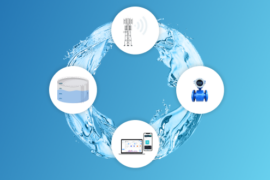
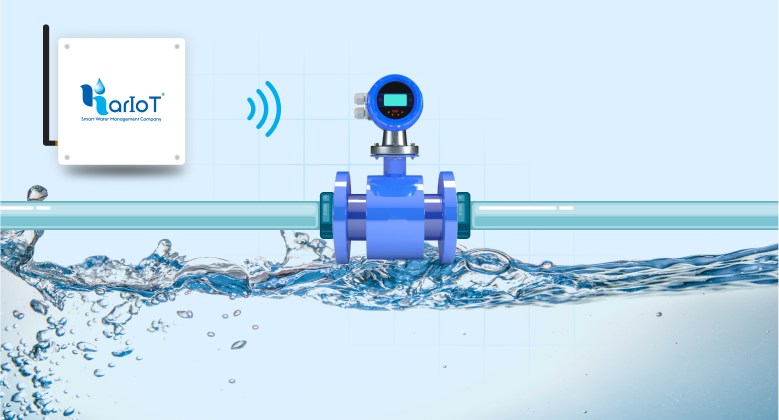
Smart Water Meters are integral to modern smart water management systems, offering a range of benefits that significantly impact efficiency, sustainability, and resource conservation. These meters provide real time monitoring and accurate data on water consumption, enabling both consumers and utility providers to make informed decisions. The ability to detect and prevent leaks swiftly is a key feature, preventing water wastage and potential damage.
Automated billing based on actual consumption ensures fairness and encourages responsible water use. Remote monitoring capabilities allow for efficient management of widespread water distribution networks, and the data generated by smart water meters can be leveraged for predictive analytics, aiding in infrastructure planning.
Technologies in Water Saving Methodology & Focusing on Smart Water Meters
Digital transformation, particularly through smart water meters, signifies a pivotal shift in water utility management. Smart water meters leverage cutting-edge digital technologies to revolutionize the monitoring and management of water distribution.
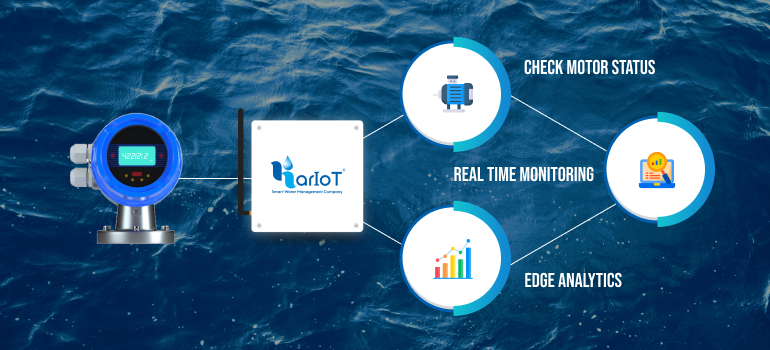
These devices go beyond traditional metering by enabling real-time data collection, communication, and analysis. The integration of Internet of Things (IoT) capabilities enhances their functionality, providing utilities with unprecedented insights into consumption patterns, leak detection, and billing accuracy.
Overview of Non-Revenue Water (NRW)
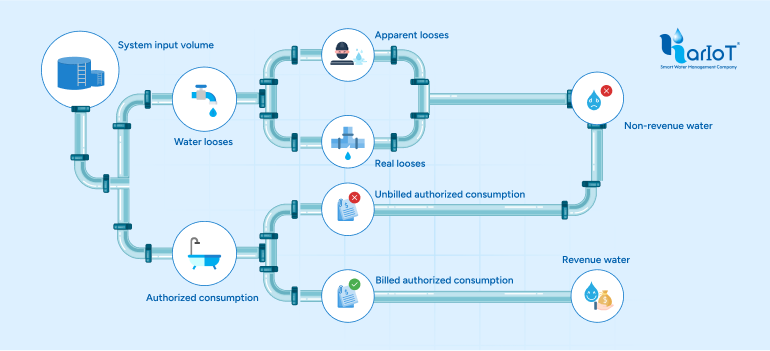
Non-Revenue Water (NRW) stands as a formidable challenge for Indian water supply utilities, encapsulating physical losses from leaks and pipe bursts, alongside commercial losses related to unauthorized consumption and non-payment for authorized water.
With an average NRW of around 38%, India faces a critical disparity between the system input volume (SIV) and the actual billed water to consumers. This multifaceted issue significantly impacts the efficiency and financial viability of water utilities nationwide.
Global Comparison of NRW Percentages
To gauge the severity of India’s NRW challenge, it’s crucial to examine global metrics. The World Bank reports a global NRW average ranging from 30% to 35%. A stark contrast emerges when considering extremes, Mexico contends with a high NRW of 51%, underscoring the magnitude of the issue, while Denmark has achieved an impressive reduction to a mere 6%. This global perspective illuminates the urgency for effective NRW mitigation strategies in India.
Challenges in Non-Revenue Water (NRW)
Complex Nature of NRW
Technological Lag in Leak Detection
Financial Constraints Impacting Technology Adoption
Digital Transformation through Smart Water Meters
How to Install Smart Water Meters ?
Installing Smart Water Meters involves a combination of technical expertise and knowledge of plumbing and sensor technologies. Here’s a general guide on how to install smart water meters and where to find experts for installation and guidance.
Steps to Install Smart Water Meters
Where to Find Experts ?
Before hiring experts, make sure to ask for references, check reviews, and ensure that they have experience with the specific type of smart water meter you’re installing. Additionally, inquire about any required permits or regulations related to water meter installations in your area.
Global Success Stories in Curbing Water Loss and Reducing NRW
Globally, smart water meters have emerged as beacons of success in curbing water loss and reducing Non-Revenue Water (NRW). Various countries have witnessed transformative impacts on their water utilities through the implementation of these technologies.
Success stories range from improved billing accuracy to proactive leak detection, resulting in significant reductions in NRW percentages. These cases serve as benchmarks, showcasing the tangible benefits and positive outcomes achievable through the adoption of smart water meters on a global scale.
Role of Government Initiatives, Particularly Smart City Projects in Driving Demand
Government initiatives, especially those aligned with Smart City projects, play a pivotal role in driving the demand for digital transformation in water utilities. Smart City initiatives prioritize the integration of technology to enhance urban living, and water management is a crucial component.
Governments worldwide are endorsing and investing in the deployment of smart water meters as part of larger efforts to build sustainable and efficient urban ecosystems. This support not only propels technological adoption but also underscores the recognition of smart water meters as key instruments in achieving water conservation and reducing NRW.
Privatization and the Role of Leak Detection Systems
Impact of Privatization on Leak Detection Systems
Business Potential for Smart Water Meters and Grids
Intersection of Privatization and Technology
IoT Enabled Advanced Metering Infrastructure (AMI)
Benefits of AMI Smart Water Meters, Including Leak Detection and Real-Time Data
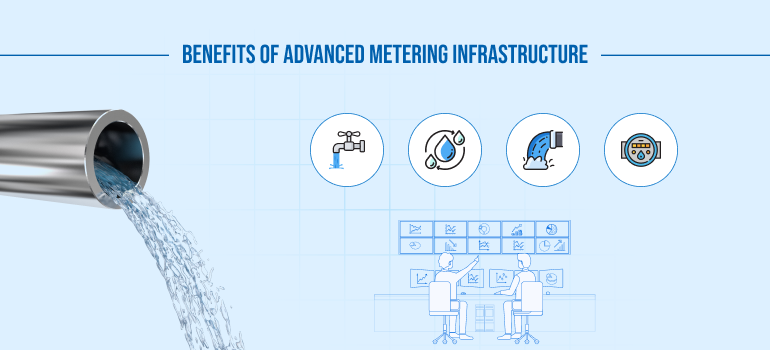
IoT-enabled Advanced Metering Infrastructure (AMI) ushers in a new era for water utilities, offering a spectrum of benefits. Smart water meters equipped with IoT capabilities provide utilities with unprecedented advantages, including real-time data collection and analysis.
One standout feature is the integration of advanced leak detection mechanisms. The ability to identify and locate leaks promptly not only mitigates water loss but also minimizes the associated infrastructure damage and operational disruptions.
Potential for Enhancing Billing Efficiency and Resource Optimization
The potential for enhancing billing efficiency and resource optimization is a cornerstone of AMI smart water meters. Utilities can employ this real-time information to generate precise bills, reducing discrepancies and enhancing overall billing accuracy.
Additionally, the granular insights derived from AMI contribute to resource optimization, enabling utilities to make informed decisions about water distribution, infrastructure investments, and demand management.
Market Analysis and Growth Opportunities
Forecast for the Smart Water Meter Market in India
Frost & Sullivan’s analysis provides crucial insights into the anticipated trajectory of the smart water meter market in India. The forecast indicates a substantial growth trend driven by factors such as technological advancements, regulatory considerations, and the evolving needs of water utilities.
This analysis serves as a valuable resource for stakeholders, offering a nuanced understanding of market trends and identifying potential areas for investment and strategic planning.
Case Studies of Municipal Water Corporations Implementing Smart Water Meters
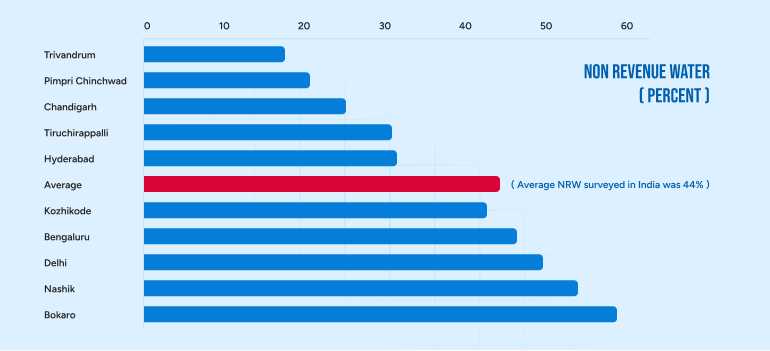
Examining case studies of municipal water corporations that have effectively implemented smart water meters unveils tangible evidence of the technology’s impact. Cities like Chandigarh, Pune, and Hyderabad serve as noteworthy examples, demonstrating the transformative effects on water management systems.
These case studies showcase significant reductions in Non-Revenue Water (NRW), improvements in operational efficiency, and overall positive outcomes, providing valuable lessons for other municipalities considering the adoption of smart water meters.
Growth Opportunities for Product Suppliers, Software Developers, and Water OEMs
The growth opportunities in the smart water meter sector extend beyond utility providers to involve a broader spectrum of stakeholders. Product suppliers, software developers, and Water Original Equipment Manufacturers (OEMs) stand at the forefront of this expansion. With the rising demand for smart water meters, there is room for innovation in hardware, software, and integrated solutions.
The potential for growth lies not only in providing cutting edge technology but also in developing comprehensive solutions that cater to the diverse requirements of the water management landscape.
Customer Perspective and Adoption
Impact on Individual Consumers and Multi-Tenanted Buildings
The adoption of smart water meters brings forth a notable impact on both individual consumers and multi-tenanted buildings. For individuals, these meters provide a nuanced understanding of personal water consumption, enabling informed decisions to optimize usage and conserve resources.
In multi-tenanted buildings, the technology offers a collective approach to monitor and manage water consumption, fostering a sense of responsibility among residents and contributing to overall conservation efforts.
Tracking Water Consumption Patterns and Implementing Conservation Methods
Smart water meters empower consumers by allowing them to track their water consumption patterns in real-time. This visibility goes beyond traditional billing cycles, enabling individuals and building managers to implement targeted conservation methods.
Whether it’s identifying and fixing leaks promptly or adjusting behaviors based on usage insights, the technology encourages a proactive approach to water conservation. The ability to make informed decisions fosters a culture of sustainability among consumers.
Widening the Prospective Customer Base for Smart Water Meter Solution Providers
As smart water meters become more prevalent and awareness grows, the prospective customer base for solution providers widens. The positive impact on individual consumers and multi-tenanted buildings serves as a catalyst for broader adoption.
With the potential for reduced water bills, increased efficiency, and active contribution to environmental sustainability, the appeal of smart water meters expands. Solution providers are poised to tap into this growing market by showcasing the tangible benefits and long-term value proposition offered by smart water metering solutions.
Future Trends and Technological Advancements
End-to-End Solutions Using Cloud-Based and Real-Time Data Analytics
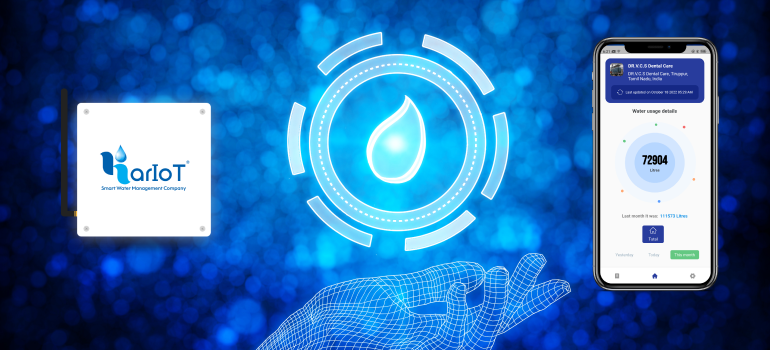
Future trends in water management point towards the adoption of end-to-end solutions utilizing cloud-based, real-time data analytics. This approach involves integrating smart water meters with cloud platforms, enabling comprehensive data analysis and storage.
The use of real-time analytics enhances decision-making processes for water utilities, providing actionable insights into consumption patterns, leak detection, and overall system efficiency.
Collaboration Among Stakeholders for Comprehensive Solutions
The future landscape of Smart Water Management emphasizes collaboration among stakeholders to develop comprehensive solutions. This collaborative approach involves utilities, product suppliers, software developers, and government entities working together.
By fostering synergistic partnerships, stakeholders can address the multifaceted challenges of water management, ensuring the seamless integration of technologies like smart water meters and optimizing the efficiency of the entire water distribution system.
Prospects for Advanced Digital Technologies like Artificial Intelligence (AI) and Big Data Analytics
The future of water management holds significant prospects for advanced digital technologies, particularly Artificial Intelligence (AI) and Big Data Analytics. These transformative technologies offer unparalleled capabilities in processing vast amounts of data to derive meaningful insights.
AI coupled with Big Data Analytics, can enhance predictive analytics for leak detection, optimize resource allocation, and contribute to the overall efficiency of water utilities. The integration of these technologies represents a crucial step towards a more intelligent and responsive water management infrastructure.
Long-Term Prospects and Software as a Service (SaaS) Solutions
Opening Up to AI and Big Data Analytics in Water Utilities
The long-term prospects for water utilities involve a paradigm shift towards embracing Artificial Intelligence (AI) and Big Data Analytics. As technology continues to evolve, the integration of AI and Big Data Analytics becomes imperative for water utilities.
These advanced technologies offer the potential to revolutionize decision making processes, enabling utilities to leverage predictive analytics for proactive leak detection, optimize resource management, and enhance overall system efficiency.
Role of SaaS Solutions in Ensuring Real-Time Data Availability
In the long term, Software as a Service (SaaS) solutions play a pivotal role in ensuring real-time data availability for water utilities. SaaS solutions offer a cloud-based framework, facilitating the seamless and instant accessibility of data.
This real-time access enhances the efficiency of water utilities by allowing them to make informed decisions promptly. The scalability and flexibility of SaaS solutions also position them as integral components in the evolving landscape of water management, providing utilities with the tools necessary for sustainable and data-driven decision-making.
Conclusion
In the end, the future of water management in India requires creative solutions, and one key tactic is the development of smart water meters. The market’s expansion highlights the transformational potential, as demonstrated by Frost & Sullivan’s study and successful municipal case study.
Long-term adoption of cutting edge technology by the industry and the critical role SaaS solutions play in guaranteeing real-time data availability pave the way for a robust and effective water utility industry that supports sustainable water management techniques.
Reach out to us if you need any insights for smart water management solutions and smart water meters for Industries, Plants & Machinery, High Rise Apartments and Public Water Storages.